
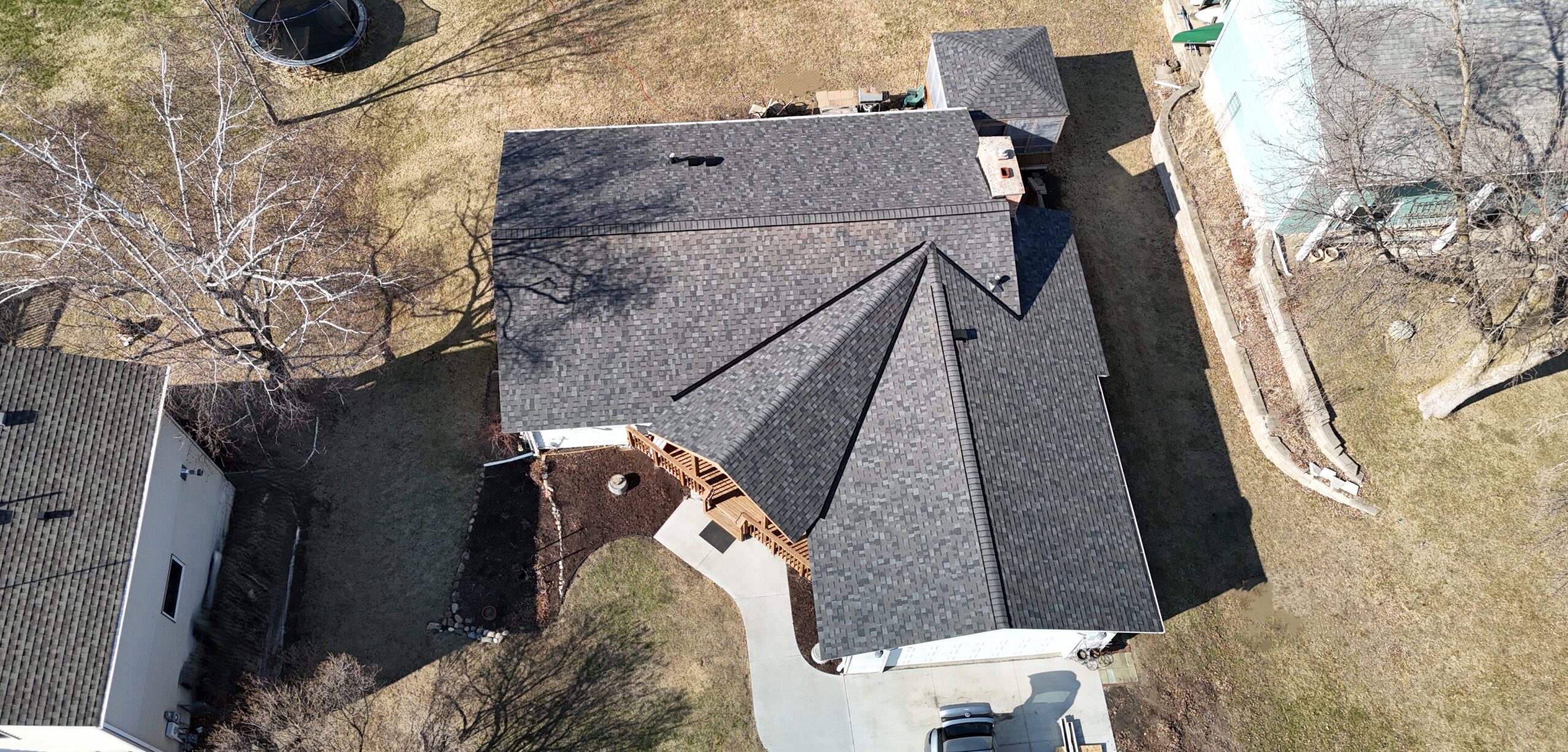
More than just shingles, a complete roof system consists of a layered structure designed to protect against moisture, wind, and heat, while ensuring proper ventilation.
To protect your property and your family, the components of this engineered assembly (roof) include a structural deck, waterproof barriers, and outer materials, all working together to shed water, manage temperatures, and withstand the elements.
Roofing Terminology
Understanding the basic process & materials involved in repairing, replacing and/or building a roof.

- Roof Decking/Sheathing The foundation (plywood or OSB) that supports all other layers.
- Underlayment Felt or synthetic material applied over the roof deck, acting as a secondary waterproofing layer.
- Ice and Water Shield A self-adhered membrane applied to valleys and eaves to prevent ice dams and leaks caused by wind-driven rain.
- Starter Strips/Shingles The first course of shingles, secure the roof edge and ensure proper sealing.
- Roofing Material Top/exterior layer of shingles, metal panels, or tiles that act as the primary defense against the elements.
- Flashing Installed around chimneys, vents, walls, and valleys. These metal strips prevent water from entering transition areas.
- Ventilation Ridge vents and soffit vents that allow air to circulate, reducing heat and moisture, preventing rot in the attic.
- Ridge Cap Specially designed shingles that protect the highest peak of the roof and allow ventilation (not shown).
How a Roof System Works
- Shedding Water The steepness (slope) of the roof, combined with overlapping shingles, allows water to flow down and away from the structure.
- Waterproofing If water were to penetrate the exterior shingles, the underlayment and ice/water shield keep that water from reaching the deck.
- Preventing Ice Dams Proper insulation and ventilation keep the roof deck cool, preventing snowmelt from causing ice-dam leaks.
- Structural Strength The deck and underpurlins (horizontal beams) distribute the weight of the roofing material, snow, and wind forces.
- Directing Water Flashing (around chimneys and vents) directs water away from gaps, and the drip edge pushes water away from the fascia into gutters.
The process of a new roof installation involves removing old materials, inspecting the underlying structure, installing new waterproof barriers & protective metal components, and lastly placing new roofing materials (the shingles, panels, or tiles you select). Improper installation of any of these critical parts can cause major damage that may go unnoticed for years (mold, rot, structural deficiencies, etc.), potentially requiring an entire roof system replacement and further home renovations.
Everything and everyone under your roof deserve a safe and comfortable place to reside. Hire an experienced roofing contractor!
We’re here for you! Contact Close to Home Construction to schedule a roofing consultation and quote.