

Signs, dangers, causes, simple fixes, and when a full replacement is necessary.
If your winter energy bills are going up, or your house feels chilly and drafty, the doors and windows are likely the source. A draft means an exterior seal is failing.
Signs your property has a draft issue
- Rising heating or cooling bills
- Visible gaps or cracked caulking
- Difficulty opening or closing doors
- Cold air near window or door frames
- Fog (condensation) between window panes
- Consistently uncomfortable room temperatures
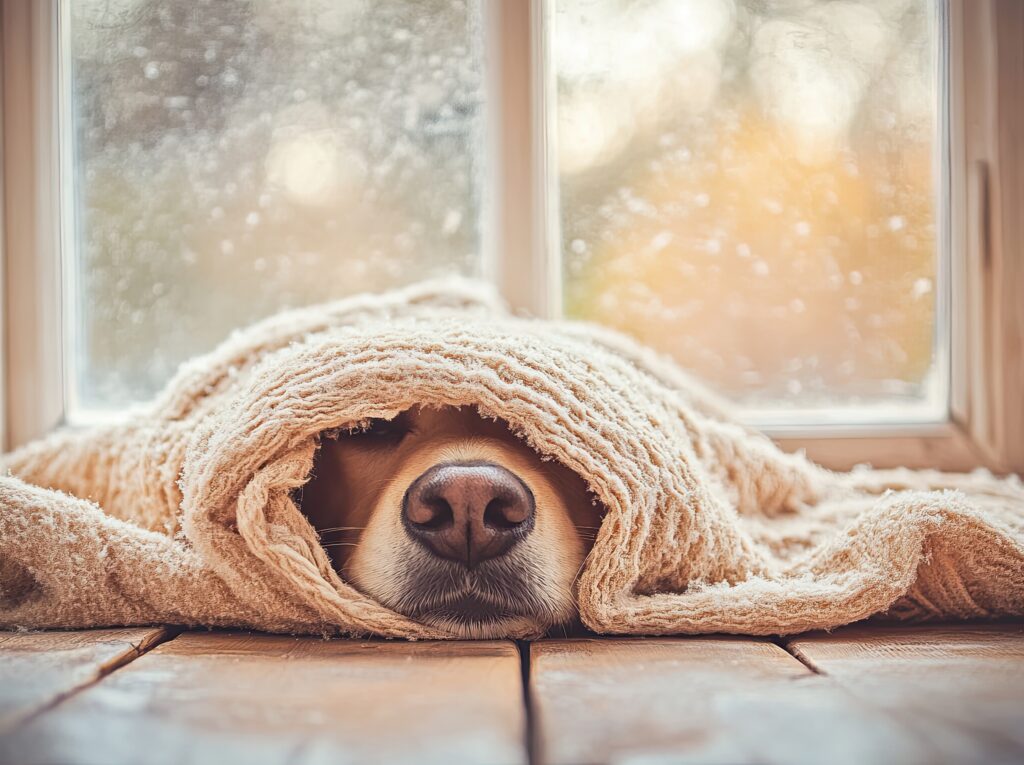
Dangers of prolonged drafts in your home
- Moisture damage
- Mold growth
- Rotting frames
- Strain on HVAC systems
- Increased energy bills (in a cold climate like Minnesota, even small leaks can dramatically increase heating costs)
- Compromised insulation
- Structural damage
- Reduced home value
What is the cause of your draft?
Leakage vs. Air Convection
While a drafty window may have leaks from poor sealing, a convective draft may occur even when the window is perfectly sealed.
Let’s dig into these two draft culprits:
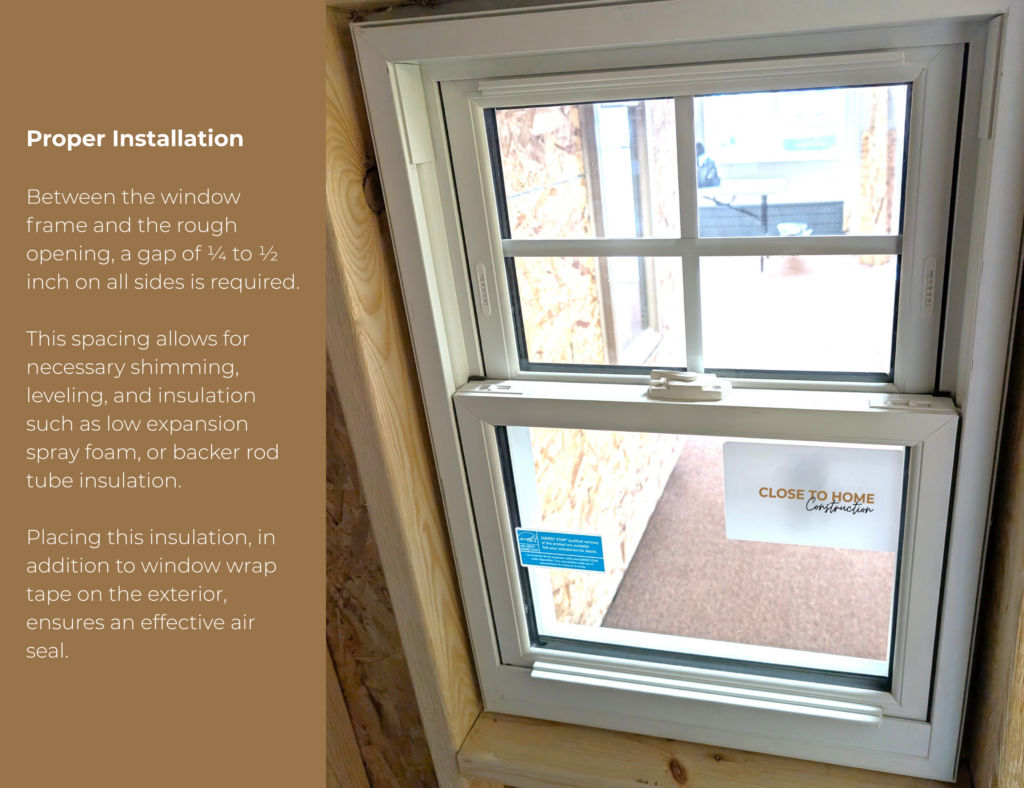
- Insufficient insulation and/or gaps between the trim and the window frame. This, unfortunately, is a common oversight by inexperienced window & door installers.
- The test: An evaluation can be done by temporarily removing the interior window trim to analyze the insulation quality and installation accuracy.
- The quick fix: To reduce air infiltration, a draft stopper can be placed at window sills and/or the underside of a drafty door. Refreshing cracked, failing caulking can also help minimize heat loss.
- Argon gas has leaked out from between the glass (of double or triple-pane windows). On average, argon efficiency in windows lasts 15 years. This non-toxic gas reduces heat transfer (acting as an insulating layer), which lowers energy bills by preventing condensation & frost buildup. Another benefit of having double or triple-pane windows containing argon is that they minimize noise transmission.
- The test: Are your windows cold to the touch? This is likely a convection draft. Warm air naturally rises in a home. When it encounters a cold window pane, it cools, becomes heavier, and sinks, which is what creates the sensation of a draft.
- The quick fix: Minimize this heat loss with thoughtfully selected window treatments. Using heavy, thermal curtains blocks the cold air from entering the room, while keeping them open slightly (¼”) will allow warm air to reach the glass and prevent an extreme convection draft.
The hero fix:
To fully reduce these types of drafts and save on energy bills and sound pollution, hire an experienced professional to install high-performance double or triple-pane windows. When selecting new exterior doors (fiberglass, steel, or even wood), use the US Department of Energy reference guide to research the best energy-efficient option for your home, or just ask us!
Need help deciding between repair or replacement? Hire an experienced window and door installation contractor!
Considering a home inspection that fully encompasses windows, doors, insulation & ventilation? Contact Close to Home Construction to schedule an assessment.